Skip to content
About

Twenty years, seven industries, and most of the jobs in between.

I've been the CEO, the COO, the CTO and the product lead, occasionally in the same week. These days I build the technology that is rewriting how businesses work, and I build it as someone who has run one.

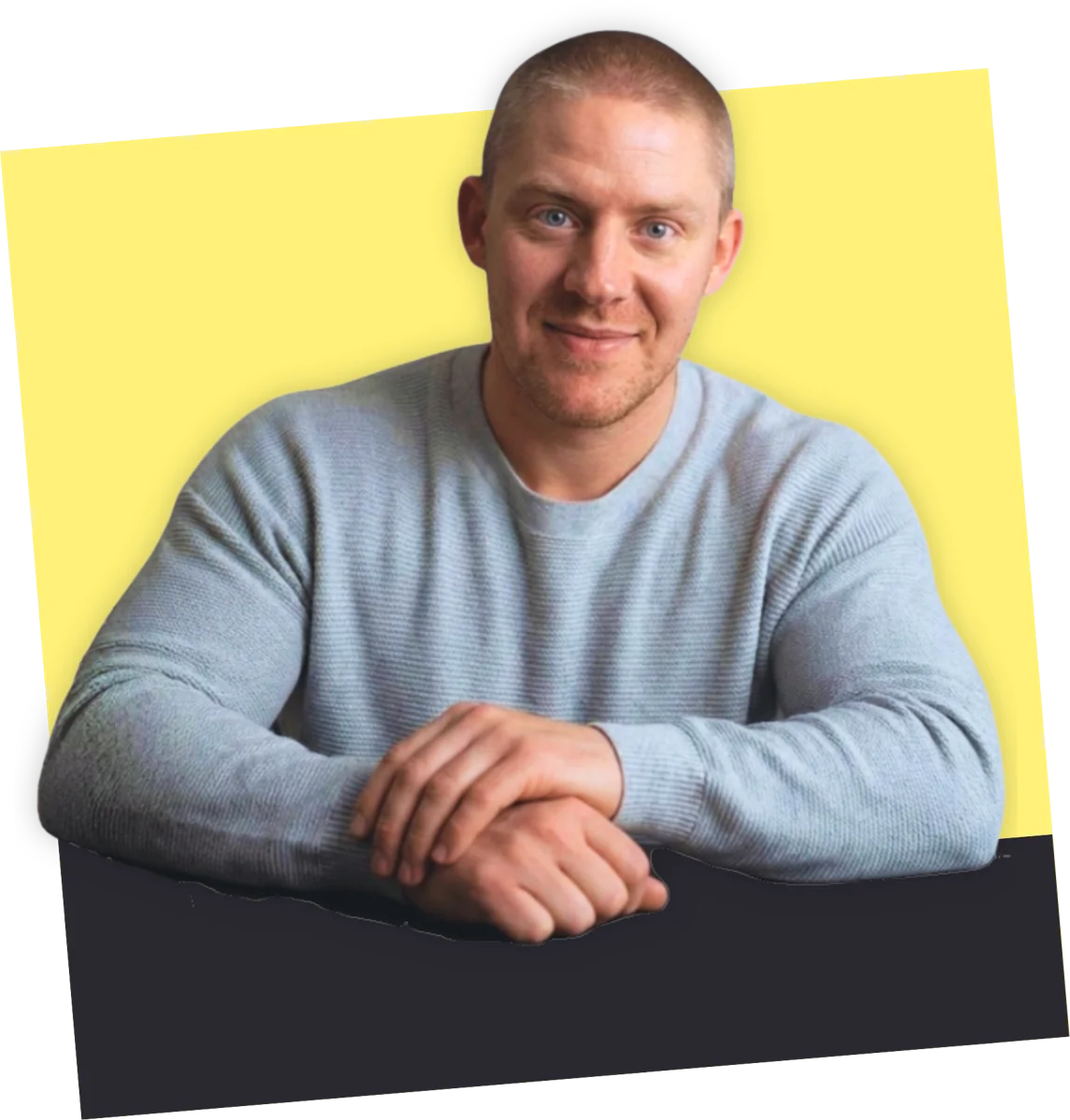
Chris McMenemy at a desk, arms folded on the table
The long version

How I got here.

Twenty years, in the order it happened.

  1. 1
    Fifteen

    A lifelong, unwitting entrepreneur

    Before I knew there was a word for it, I was making POG holders at the kitchen table and selling them at school. Then paper rounds, mowed lawns, washed cars, and a digital yearbook I put together and sold back to my own school. By fifteen I was running a computer repair business out of my bedroom, and at college I was selling study guides to classmates who hadn’t worked out yet that they needed them.

    To pay for my studies I worked behind the bar of a nightclub, and spotted that nobody was selling the night back to the people having it. So I started a photo memorabilia business inside the club, with the owners' blessing, and grew it across more than six local nightclubs, all run from behind that same bar. I also imported classic American cars and sold them on for a profit.

    None of it felt like business. It was just the obvious response to noticing a gap: find the problem, build the thing that fixes it, charge for it. I have been doing the same thing ever since. The gaps just got more expensive.
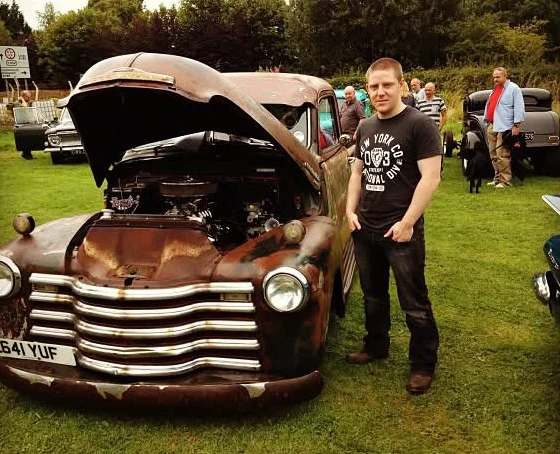
    Chris McMenemy beside an imported classic American pickup
  2. 2
    Engineering

    Naval architecture, and a laptop at sea

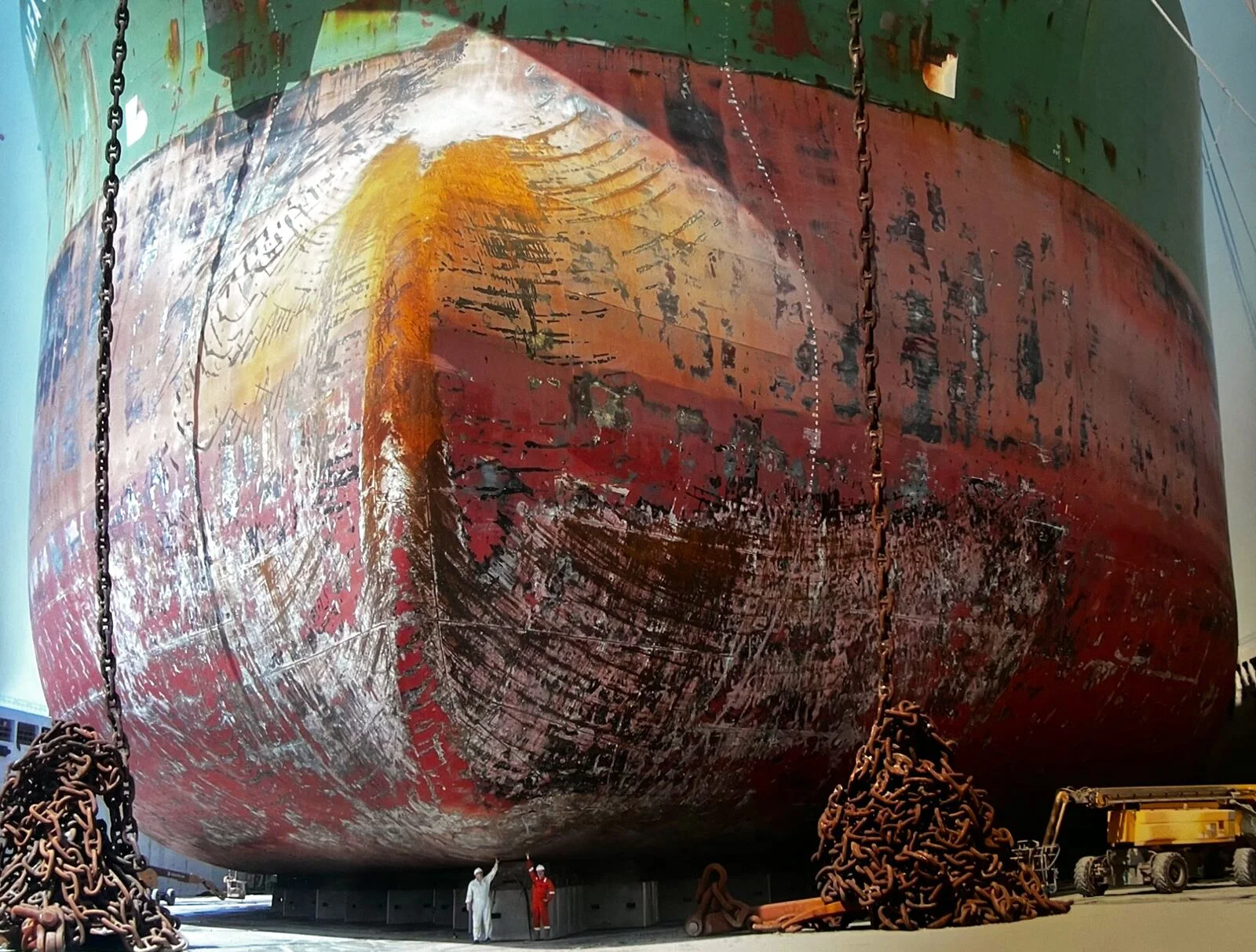
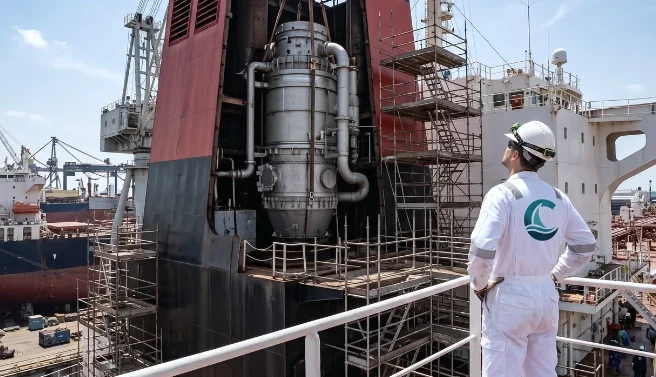
    I studied and trained as a naval architect and marine engineer, an accidental niche that set me up for the way I approach problems today. Stability, structures, power, and the arithmetic that decides whether something floats and keeps floating. Summers were spent at sea as an engineering cadet, in the engine rooms of working ships, which is a fast education in the difference between a drawing and the thing itself.

    The rest of the time I was teaching myself to build software. This was 2007, so that meant hand-coded sites, the first wave of CMS platforms, and taking web work from anyone who would pay for it. Two disciplines that looked entirely unrelated at the time: one where being wrong sinks something, one where you ship on Tuesday and fix it on Wednesday. I have been using both ever since.

    A ship's bulbous bow in dry dock, with two engineers standing beneath it
  3. 3
    Cleanship

    From one person to fifty-four

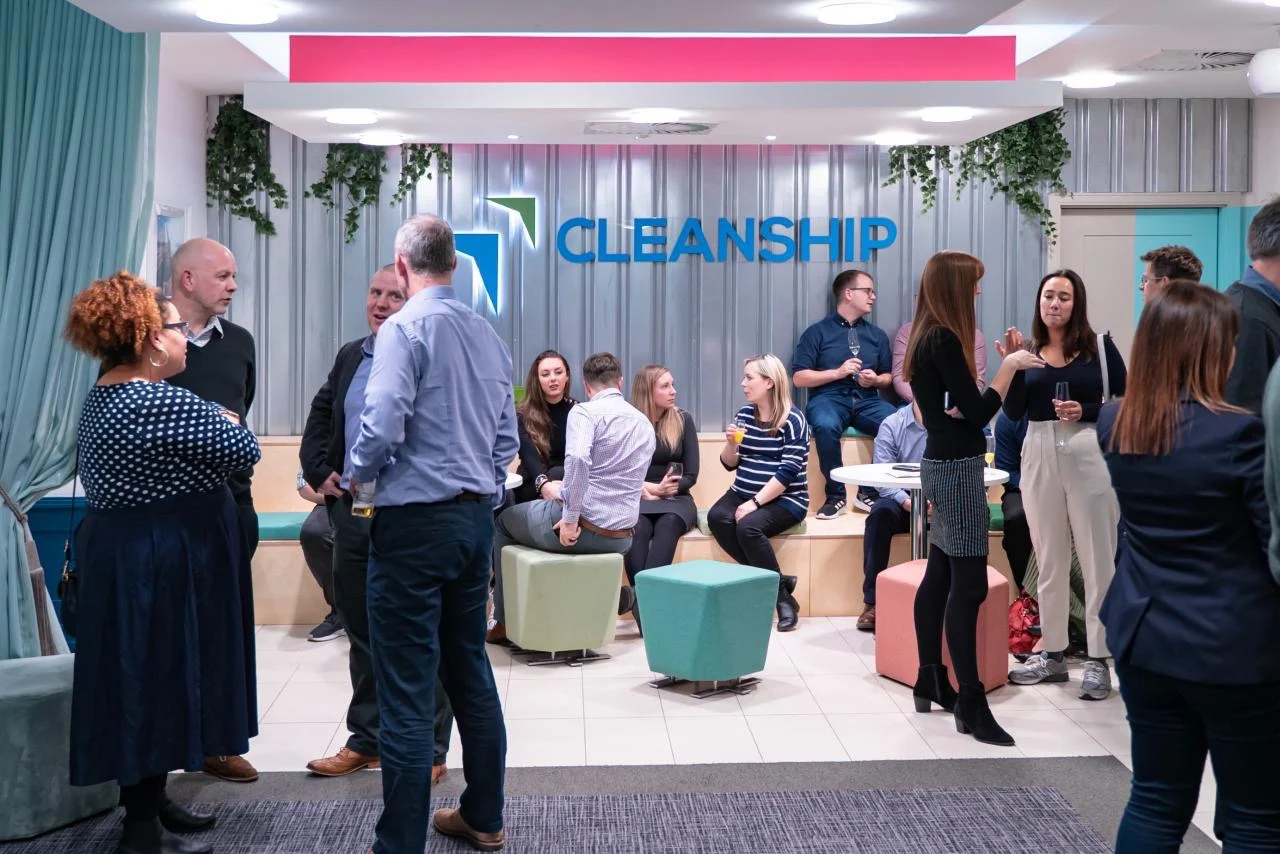
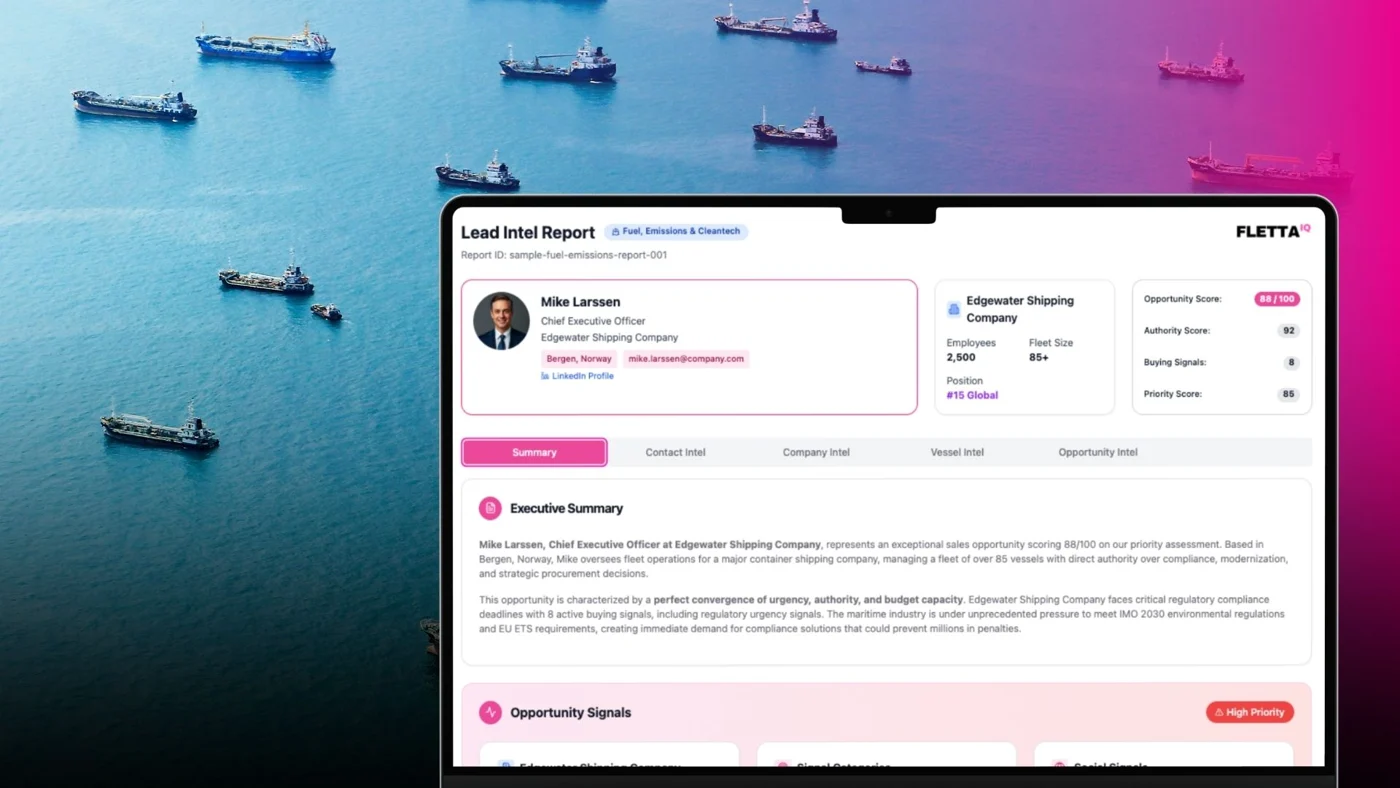
    I started a decarbonisation retrofit engineering business, and grew it to fifty-four people across Glasgow, Istanbul and Hong Kong, achieving 150% YoY growth consistently. Maersk, Royal Caribbean and most of the blue-chip shipping lines became clients.

    We pioneered 3D lidar survey on live vessels while the rest of the industry was still working from drawings and a tape measure. That same approach took us into digitalising much larger, semi-public organisations, where the technology is rarely the difficult part and the politics almost always are.

    For most of those years I was the CEO, the COO and the CTO, frequently in the same week. I learned the commercial side because there was nobody else to do it, the technical side because I already could, and the operational side because fifty-four people need paying on the last Friday of the month regardless of what else is going on.

    The Cleanship team at the office
  4. 4
    Ventures

    Founding, co-founding, and being the technical one in the room

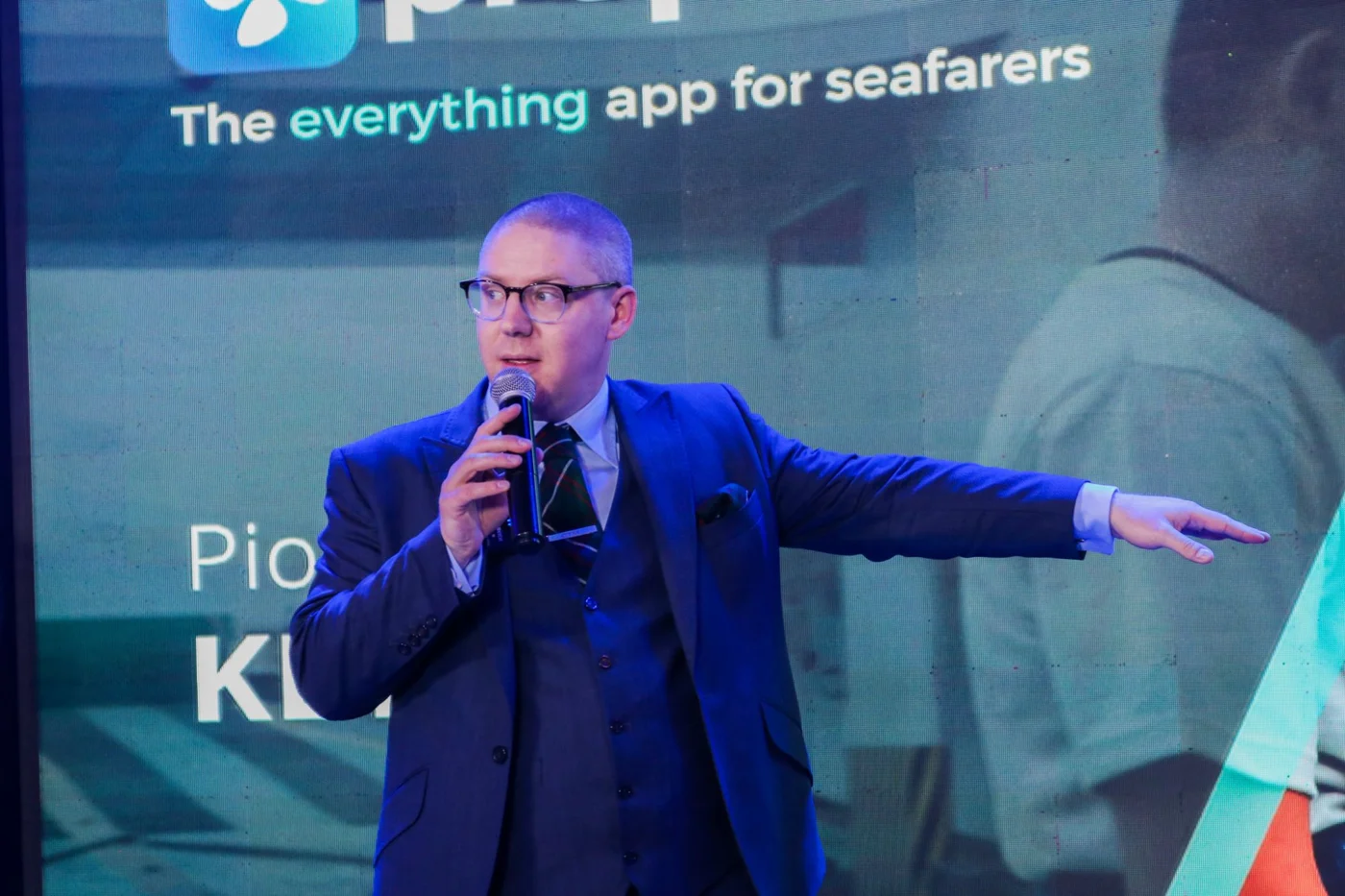
    After that I went in several directions at once. I founded technology startups and took co-founder and technical lead roles inside other people’s, raised venture capital, helped lead companies through Techstars, and built products that secured funding on Dragons’ Den.

    Some of it worked. Some of it I closed down once it was clear it wasn’t going to. What it bought me was years inside VC-backed companies at the stage where everything is still undecided and roadmaps are blank pieces of paper, and where I was usually the person who had to lead the company as a whole or, at the least, turn those decisions into a commercial and technical reality that shipped to customers.

    • BBC Dragons' Den
    • Techstars
    • Business Insider
    • CNN
    Chris McMenemy on stage presenting a maritime startup
  5. 5
    Delivered

    More than $100m of technology, into places where it had to work

    Added up, I have been responsible for delivering over $100m of technology implementation. Not pilots and not proofs of concept: systems that went into daily operation in businesses where being wrong is expensive and somebody has to put their name to it.

    Hardware and software. Deep tech and plain line-of-business systems. Luxury goods, SaaS platforms and physical products. Ships, clinics, law firms, call centres and professional services, plus dozens of digitalisation programmes in organisations that had tried once already and stalled.

    The pattern repeated so often it eventually became worth writing down. The technology was almost never why a programme failed. It was a commercial case nobody had tested, work nobody had mapped, or three people in three disciplines who could not agree.

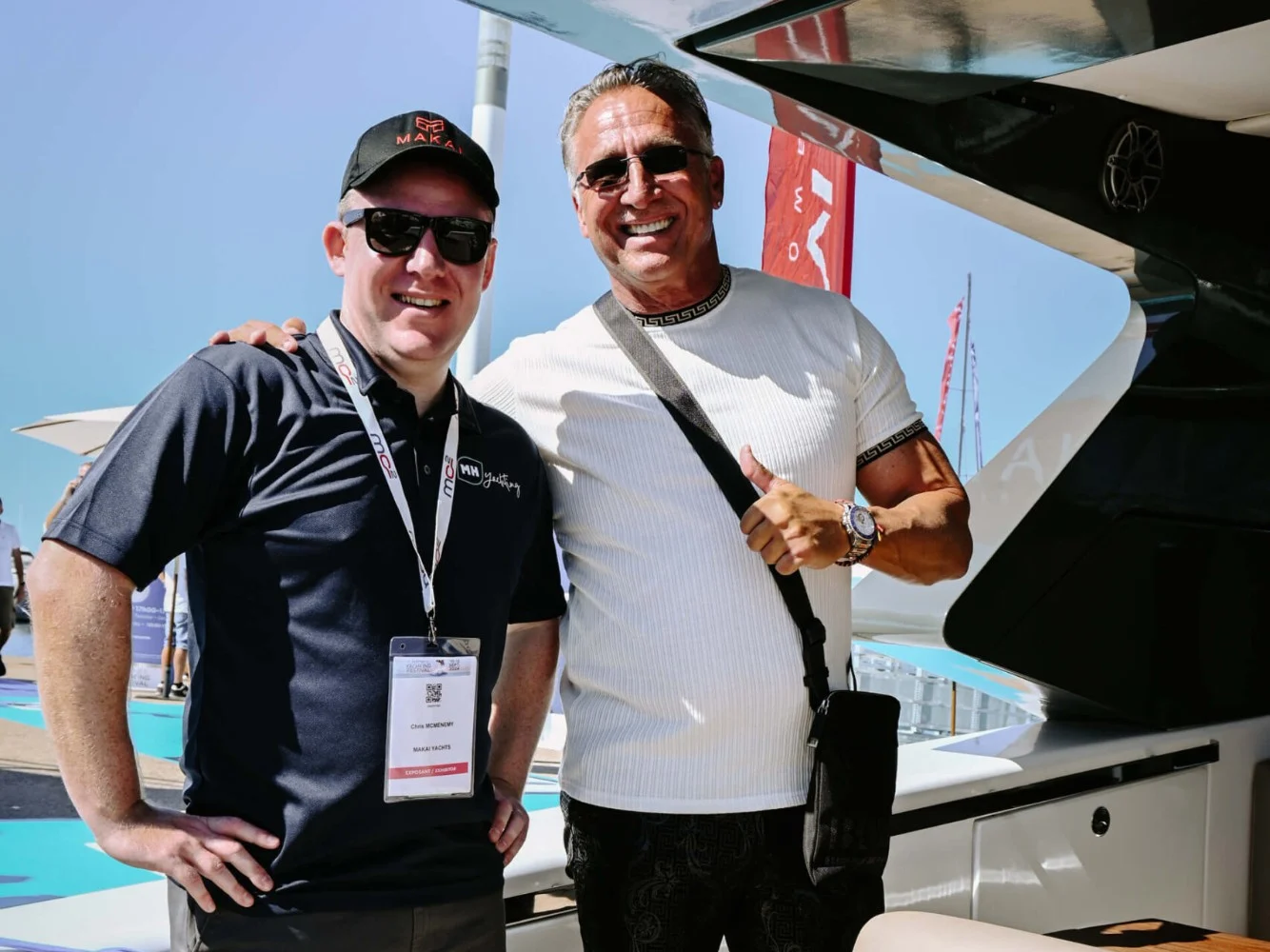
    Chris McMenemy at a boat show with Makai Yachts
  6. 6
    Now

    What I do with all of it

    Companies get stuck in the same place every time. Not inside the commercial case, the build or the adoption, but in the gaps between them, where three people have to agree and none can say yes alone. I hold all three, so the decisions get made and the thing starts moving.

    In practice that is a technical co-founder, a digitalisation programme, or a product taken to market. Through VALO I run a studio that delivers what used to take eight or ten people, I am Technical Director and co-founder at CerVent, and I hold stakes in several of the companies I have built. Twenty years of it became three frameworks: LaunchRight, EmbedRight and FoundRight, free to anyone who wants them.

    Chris McMenemy talking a colleague through a dashboard
  7. 7
    People

    The other half of the work

    Installing this technology means watching what it does to the people on the other side of it. I see which roles come through intact, which ones quietly stop existing, and roughly how long it takes. The people in those jobs almost always find out last.

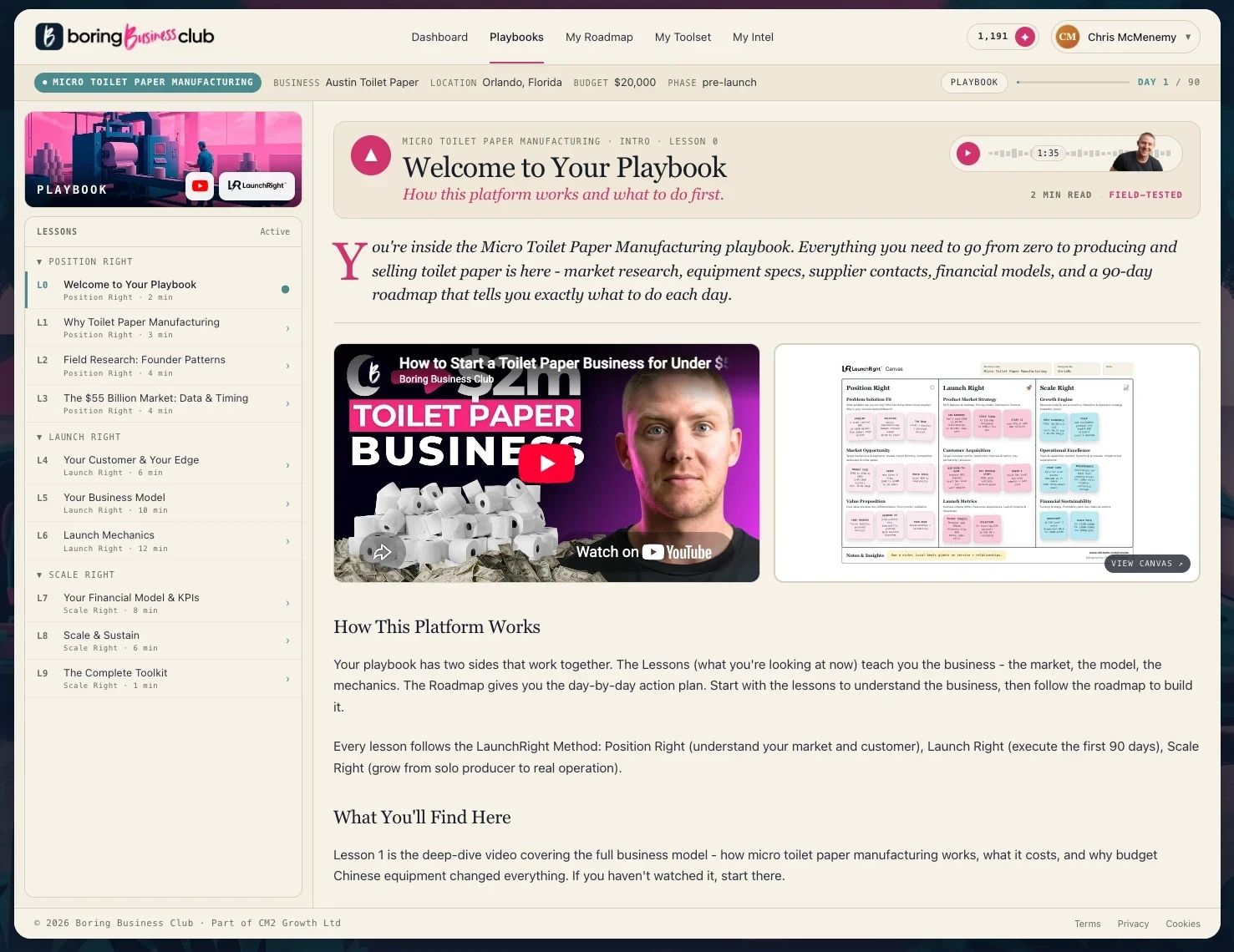
    There are two honest answers to that, and I work on both. ThriveRight is for the person whose job is being rebuilt around them: where they actually stand, what is genuinely irreplaceable about the way they work, and how to make that the thing they get paid for. The Boring Business Club is for everyone else, building the ordinary, unglamorous, profitable businesses AI is not coming for.

    I build the systems that replace the work, then tell people to go and buy a pressure washer. Same advice, different end of it.

    A Boring Business Club playbook, with its lessons, video and LaunchRight canvas
Case studies

Where the frameworks have already been proven.

A handpicked selection of LaunchRight, EmbedRight and FoundRight engagements, drawn from twenty years of building across maritime, HR tech and healthcare.

Cleanship
Commercial · LaunchRight

A decarbonisation retrofit engineering business, built from nothing to three offices across Glasgow, Istanbul and Hong Kong at 150% year on year. We pioneered 3D lidar survey on live vessels while the industry was still working from drawings and a tape measure, with Maersk and Royal Caribbean among the clients. COVID ended it inside a fortnight.

Technology implemented
$50M+
People, in eight years
1 to 54
Cleanship
SkillsGym
Digitalisation · EmbedRight

Twenty years of leadership coaching IP, locked in the heads of the people delivering it. We turned the method into software: a personal plan built for each leader, practised at work with their team, and measured on behaviour rather than attendance. Same team, roughly ten times the capacity. Post launch I became fractional CTO and CAIO to continue capturing our technical advantage.

Capacity, with no new headcount
10x
Of coaching method, turned into software
20+ years
SkillsGym
Ruu Choice
Venture building · FoundRight

A pharmacist with a thesis: regional pharmacies and dental practices can deliver far more privately than the NHS lets them advertise, and patients have no way to find any of it. Ruu Choice is the marketplace that fixes both ends: every practice regulator-checked, every price shown before you book. Taken from that first conversation to a launch-ready platform as a ChrisMc portfolio venture.

New private revenue available per practice
$30k
Idea to launch-ready platform
0 → 1
Ruu Choice
Build with me

Bring me the thing you can't get moving.

I take on a handful of companies at a time and I go all the way in. If I'm not the right person for it, you'll know on the first call.

Apply to build with me

Every application read personally. A straight answer either way.

Against the Grain

What I'm seeing from inside the machine.

The roles quietly disappearing. The businesses that are suddenly viable. What I built this week and what broke doing it. And what I'd actually do about any of it, rather than what sounds good on LinkedIn.